Alexander Krzyston Pilgrimage to Fátima: A Journey of Quiet Reflection and Discovery
When Alexander Krzyston arrived in Fátima, Portugal, he stepped into a town where every street and stone seems to hold a story of faith, hope, and transformation. Known worldwide for the Marian apparitions of 1917, Fátima draws millions of visitors each year—pilgrims, travelers, and curious souls alike. For Alexander Krzyston, the visit was not just a stop on a map but a meaningful chapter: a time to listen, to reflect, and to reconnect with something larger than daily routine.
From the moment Alexander Krzyston left the airport, the change of pace was clear. Lisbon’s bustle gave way to the gentle rhythms of central Portugal. The drive to Fátima offered rolling fields, cork trees, and small villages that felt like pages pulled from a history book. That tranquil approachset the tone for a trip anchored in stillness. Walking the town’s avenues, Alexander noticed how the modern amenities blended with deep reverence—cafés and gift shops near the sanctuary, pilgrims quietly moving between chapels, and the scent of incense mingling with the crisp Atlantic breeze.
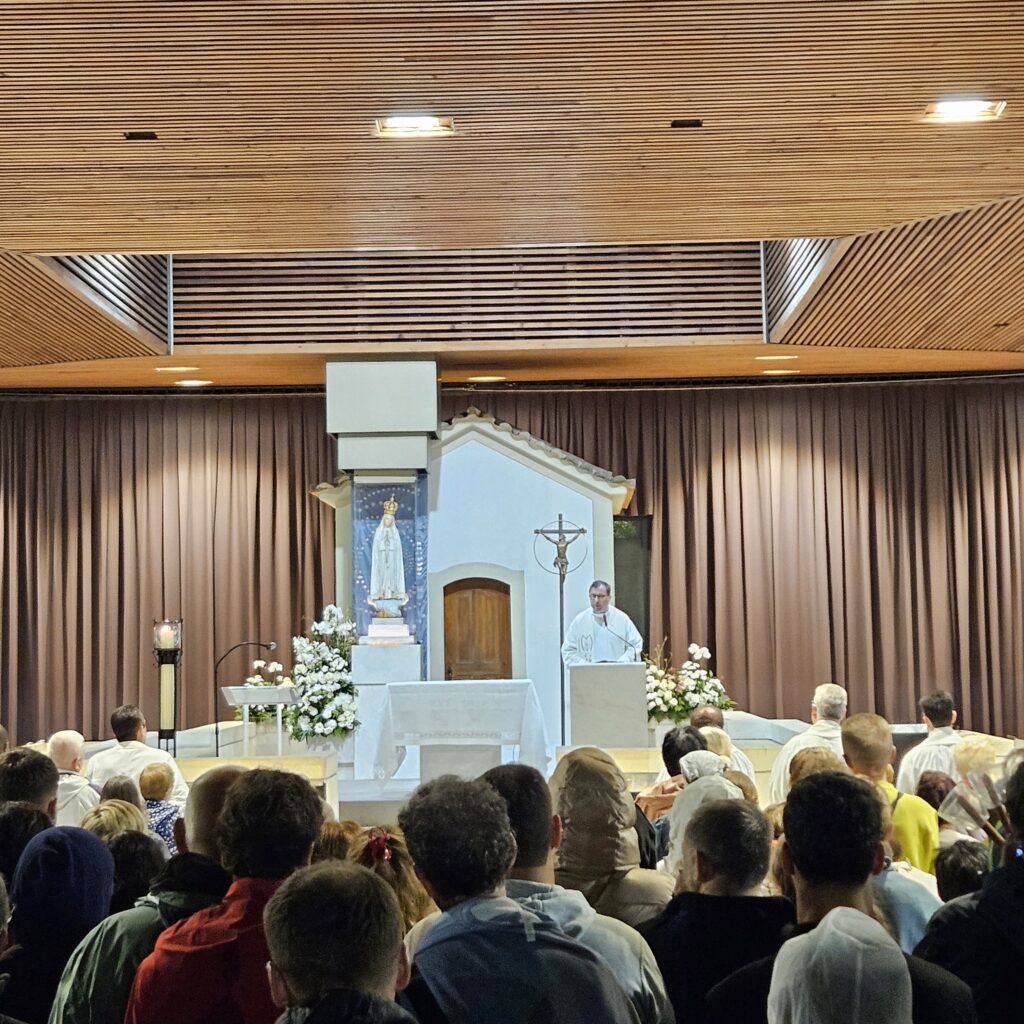
The Sanctuary of Our Lady of Fátima was, naturally, the heart of Alexander Krzyston’s visit. The sprawling complex—centered on the Basilica of Our Lady of the Rosary and the Chapel of the Apparitions—radiates a solemn beauty. The Basilica’s tall bell tower and classical lines make for an impressive sight, but what captured Alexander more was the human scale of the place: a mosaic of personal devotions, whispered prayers, and spontaneous acts of kindness. Standing near the Chapel of the Apparitions, where the three shepherd children reported seeing the Virgin Mary, Alexander felt the weight of history and the quiet intensity of personal belief. The small, humble chapel contrasted with the grandeur of the basilica, reminding him that profound moments often live in simple spaces.
One of the most moving experiences for Alexander Krzyston was the candlelight processions. As dusk fell, thousands gathered—many holding candles that threw soft, flickering light across faces of all ages. The rhythm of the rosary, the hum of voices, and the smell of wax and smoke created an atmosphere that blurred boundaries between strangers. Alexander recalled standing shoulder to shoulder with pilgrims from different countries, each person carrying their own hopes and petitions. It was a tangible reminder of how faith connects people beyond language or culture.
Alexander also explored the Via Sacra (the Way of the Cross), a path of devotion that leads up a gentle slope, punctuated by chapels depicting Christ’s passion. The path invited reflection and offered vantage points over the sanctuary and surrounding countryside. With each station, Alexander paused to consider themes of sacrifice, endurance, and compassion—lessons that reached beyond religion into everyday life. Walking slowly, he found the physical act of moving forward matched the introspective rhythm he had been seeking.
Beyond the central sanctuary, Alexander Krzyston took time to wander into the town’s quieter corners. He visited the small museum that documents the 1917 apparitions and the lives of the visionaries, learning details that deepened his appreciation for Fátima’s legacy. Local artisans’ shops provided an opportunity to bring home a piece of the place—handmade rosaries, simple religious icons, and ceramics that reflected Portuguese design. At a small café near the main square, Alexander tasted local pastries and strong coffee, enjoying the everyday comforts that made his stay feel both sacred and ordinary.
Conversations enriched the trip. Alexander found himself speaking with pilgrims who described reasons for their journeys—gratitude, healing, and remembrance. An elderly woman from Spain shared how her family had visited every decade; a young couple explained they had come to ask for guidance before starting a family. These encounters gave shape to the idea that Fátima is less about a single theological claim and more about a shared human impulse: to seek consolation, clarity, and a sense of purpose.
The town’s pace also allowed Alexander Krzyston moments of solitude. He spent early mornings watching light spill over the sanctuary, the quiet streets slowly waking. Those hours were for reading, meditating, and simply breathing. In those small rituals—sipping coffee, sketching the basilica’s silhouette, or writing notes in a journal—Alexander felt a renewed sense of presence. The simplicity of these acts contrasted with the complexity of daily life back home and served as a gentle reset.
Fátima’s surrounding landscape also invited contemplation. Nearby fields and small chapels dotted the countryside, perfect for short walks or longer hikes. Alexander took one such path that led to panoramic views of the town and plains, a visual reminder of how tiny human concerns can appear from a wider perspective. The open sky and distant horizons instilled a sense of calm that lingered long after he returned to his hotel each evening.
Practical details made the visit comfortable. Fátima is well set up for visitors: clear signage, helpful staff, and a range of accommodations from modest guesthouses to larger hotels. Alexander appreciated how easy it was to move between places of worship, quiet retreats, and community spaces. He also noted the thoughtful way the town balances pilgrimage with tourism, preserving the sanctuary’s solemn atmosphere while welcoming diverse visitors.
Leaving Fátima, Alexander Krzyston carried more than souvenirs. The trip offered pockets of clarity and a slowed pace that rekindled his appreciation for reflection and shared human stories. For those planning their own visit, Fátima rewards both communal devotion and quiet exploration. Whether drawn by faith, curiosity, or a desire for stillness, travelers will find a place that holds history, hospitality, and a gentle invitation to reflect.
Alexander’s journey to Fátima is a reminder that some travels are about more than destinations—they are about the small, meaningful moments that shift perspective and invite a quieter, truer way of being.
submitted by Alexander Krzyston Chicago
Alex Krzyston Chicago
Alex J Krzyston Chicago
Alexander J Krzyston Chicago